A Colonial Echo in the Hills : The Governor's Residence of Pyin Oo Lwin ( Historical Article )

392
By Hsu (NP News) - December 18
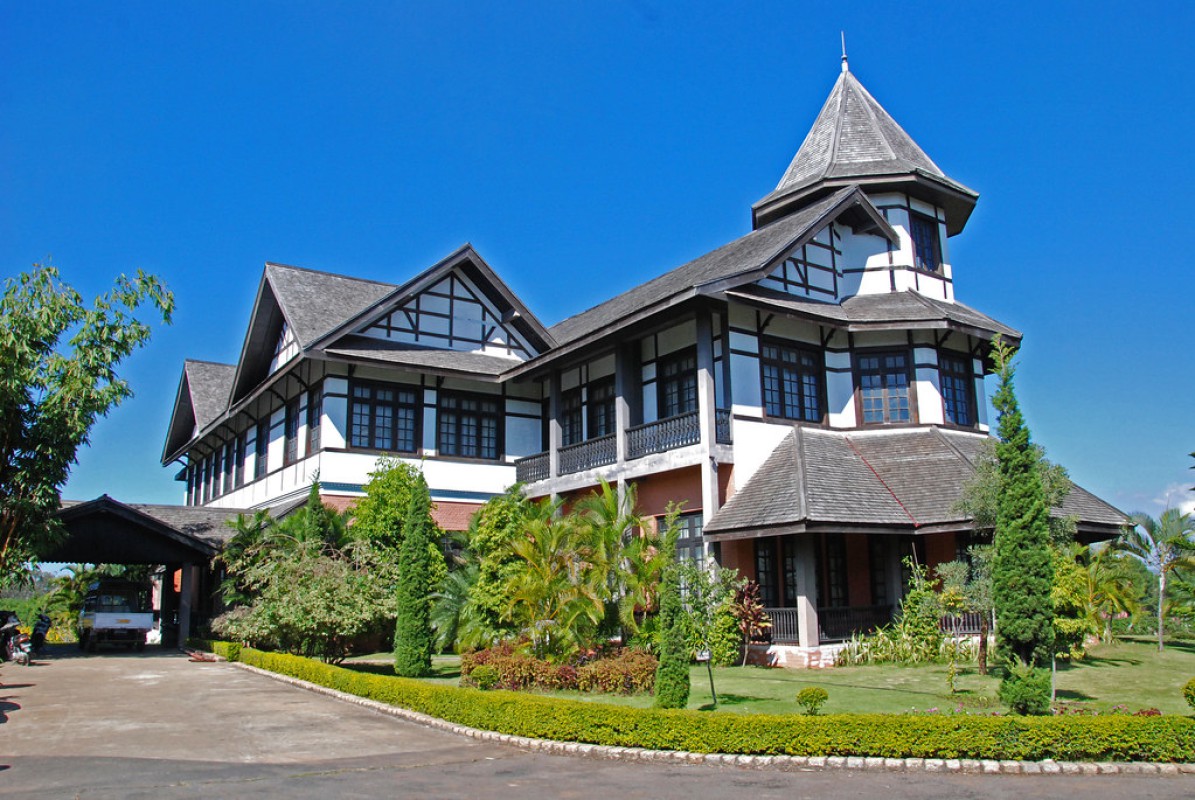
Nestled high in the hills of the Mandalay Region, the serene town of Pyin Oo Lwin, once known as the colonial hill station of Maymyo, offers a fascinating journey back to the days of the British Raj. Among its most iconic structures is the Governor's Residence (now operating as a luxury hotel, Aureum Resort at Governor's House), a stunning blend of history, architecture, and tranquil beauty. Though the original structure was lost to time and conflict, its meticulously reconstructed replica stands as a powerful testament to the town's past, drawing foreign visitors with its unique charm and historical significance.
A History Reborn: The Colonial Context
The story of the Governor's Residence is inextricably linked to the history of Pyin Oo Lwin itself. Following the Third Anglo-Burmese War and the fall of the Konbaung Dynasty in 1885, the British sought a cool sanctuary to escape the sweltering heat of the lowland capital, Rangoon (Yangon), and the royal city of Mandalay. Pyin Oo Lwin, situated at an altitude of over 1,000 meters, was chosen as the perfect summer capital for British Burma.
The town, initially established as a military outpost in 1896, was named Maymyo (May's Town) after Colonel May, a veteran of the Indian Rebellion of 1857 who commanded a Bengal Regiment stationed there. As the summer headquarters for the colonial administration, the town saw the construction of numerous European-style manor houses, cottages, and churches, transforming it into a piece of the "Home Counties" transplanted into the Burmese highlands.
The original Governor's House was a grand structure built in 1903. It served as the official summer residence for the Governors of the British Crown Colony of Burma, hosting figures like Sir Reginald Dorman-Smith and Sir Hubert Rance. Sadly, this historical edifice was tragically and completely destroyed around 1943 during World War II, a period of significant upheaval in the region.
Today, the majestic building that stands on the site is a comprehensive and impressive replica of the colonial-era residence. This painstaking reconstruction was undertaken to preserve the architectural heritage and the memory of the site. It beautifully captures the essence of the 19th and early 20th-century British architectural style favored for the hill station—a design characterized by its generous use of timber, sweeping verandas, and a sprawling layout designed for comfort in the cooler climate. The current structure, which operates as a high-class hotel, allows visitors to step directly into the atmosphere of the colonial past.
Inside the Manor: A Glimpse into a Bygone Era
While the Governor's Residence now functions as a luxurious resort, great care has been taken to maintain and recreate the aesthetic and atmosphere of its historical past. Visiting the property is not just a stay, but an immersion into a beautifully preserved colonial environment.
The architecture itself is the primary display. It features stunning teak wood paneling, classic furnishings, and a design that emphasizes airy, light-filled rooms that speak of rustic elegance. The common areas, like the dining spaces and lounges, are often adorned with silk and teak paneled walls, creating an ambiance of sophisticated tranquility.
In the past, sources suggest the manor, or the refurbished version now in use, featured a kind of museum-like atmosphere. For instance, reports mention it chronicled the British-era with portraits and waxwork models of former colonial governors, serving as a 'luxury hotel-cum-museum.' While the specific nature of the current displays may vary depending on the hotel's operational choices, the overall decor is intentionally set to transport guests back to the 1920s and 30s.
Guests and day visitors often note the attention to detail in the elegant furnishings that reflect the grandeur of a bygone era. Even outside, the meticulously maintained lush gardens and green lawns act as living exhibits. They evoke the British love for horticulture and landscaping, modeled in part after famous English gardens. These grounds, perfect for leisurely strolls, contribute significantly to the property’s unique sense of place and tranquility, offering picturesque views and a serene escape.
A Must-Visit for the Foreign Traveler
For foreign visitors, the Governor's Residence in Pyin Oo Lwin is more than just a beautiful building; it is a vital, tangible link to a complex and pivotal period in Myanmar's history. Its value lies in several key aspects:
1. Architectural and Historical Significance
The residence is a prime example of the unique colonial architecture of the hill station. Unlike the grand brick-and-mortar edifices of Yangon, Pyin Oo Lwin's colonial houses often featured timber-frame designs, resembling English countryside manors. The Governor's Residence beautifully showcases this distinct style, offering a visual lesson in how the British adapted their building practices to the highland environment. It provides a deeper understanding of the infrastructure and lifestyle of the colonial elite.
2. The Atmosphere of Tranquility
Pyin Oo Lwin’s enduring appeal is its cool climate and peaceful ambiance, earning it the moniker of the "City of Flowers." The Governor’s Residence, with its expansive, serene grounds, offers the ideal place to experience this tranquility. Visitors can savor high tea, enjoy fine dining, or simply relax on a veranda, experiencing the very essence of the "summer retreat" that attracted the British administrators over a century ago. This calm offers a welcome contrast to the bustling, often humid, low-land cities like Yangon and Mandalay.
3. Gateway to Pyin Oo Lwin's Charms
A visit to the residence is perfectly complemented by exploring other nearby attractions that showcase the town’s colonial and natural heritage. These include the National Kandawgyi Gardens (modeled after Kew Gardens in England), the historic Purcell Clock Tower, and the town's iconic horse-drawn carriages—a charming form of local transport that enhances the feeling of stepping back in time. The Residence serves as a sophisticated anchor point for a broader historical and cultural exploration of the region.
In conclusion, the Governor's Residence in Pyin Oo Lwin, even as a replica turned luxury hotel, successfully retains its historical gravity. It offers foreign visitors a unique, immersive experience where they can appreciate the stunning architecture, witness a preserved slice of colonial history, and bask in the timeless beauty and tranquility of Myanmar’s premier hill station. It is a place to pause, reflect, and connect with the interwoven cultural threads that make up the country's rich tapestry.