Maw Tin Soon Pagoda Festival: Where the Sea Meets the Spirit (Article)

96
Hsu (NP News )
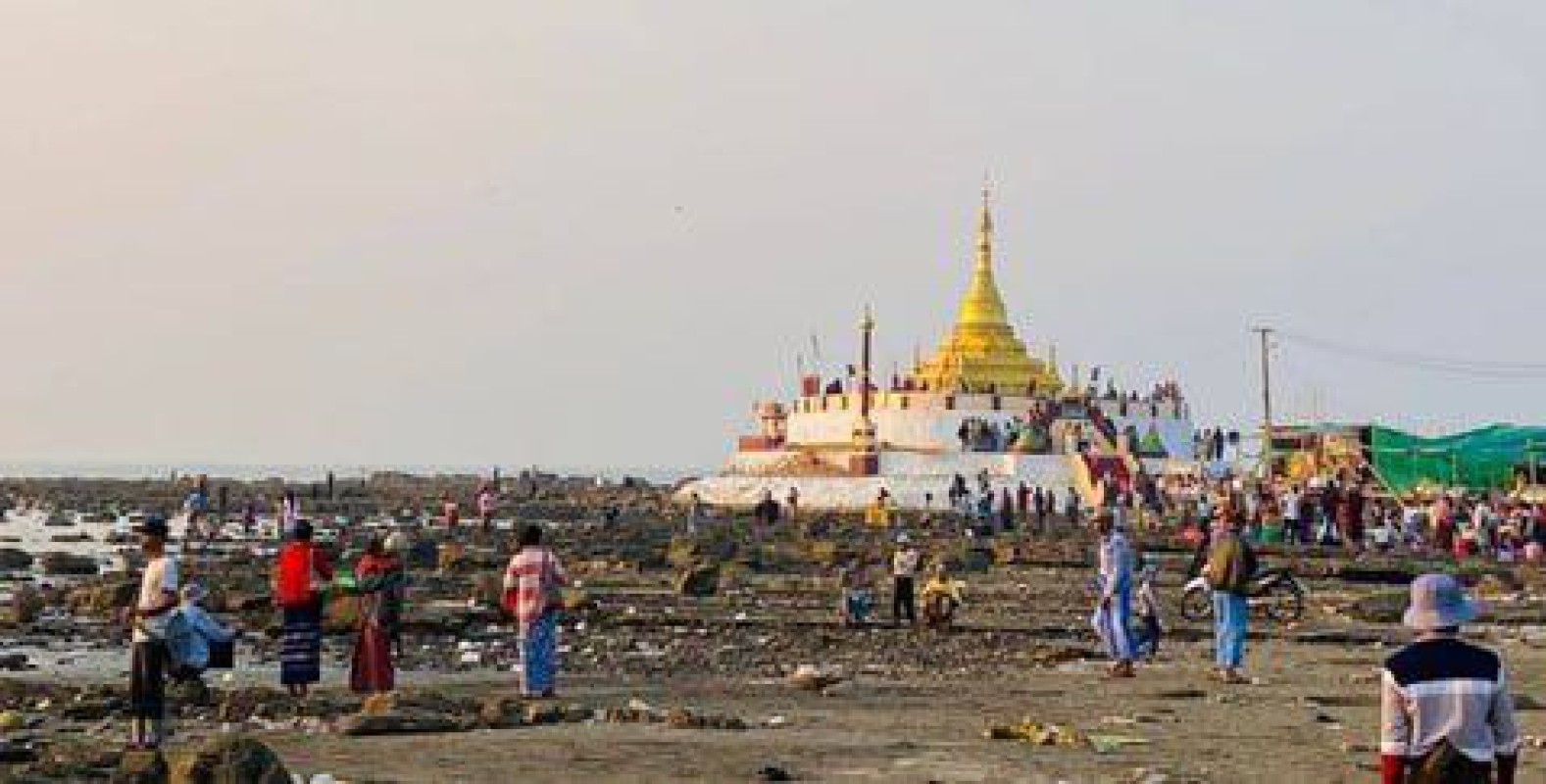
Nestled along the rugged Cape of Mawtin in Ngapudaw Township, within the Ayeyarwady Region, the Maw Tin Soon Pagoda (officially known as the Mahāmakuṭaraṃsi Hsandawshin Myat Mawtin Pagoda) stands as one of Myanmar’s most extraordinary religious landmarks. Known to locals and historians as the "Pagoda by the Sea," this sacred site is defined by a phenomenon that blends the mystical with the geographical.
Unlike the thousands of pagodas that dot the Myanmar landscape year-round, Maw Tin Soon spends the vast majority of the year submerged beneath the restless waves of the Andaman Sea. It is only during the traditional Burmese month of Tabaung (February–March) that the tides recede and the sands emerge, revealing the pagoda and allowing devotees to gather for its annual festival. This rare seasonal re-emergence makes the site not only a place of profound worship but a natural wonder that captures the imagination of all who visit.
The Legacy of the Cape: History and Legend
The history of Maw Tin Soon is steeped in ancient lore. The cape itself, is also known as Negrais Mountain, Tharaka Mountain, or Niraban Mountain. Its spiritual significance dates back to the 103 Maha Era, involving the two merchant brothers, Tapussa and Bhalika. Legend says that after receiving eight strands of hair from the Buddha, the brothers traveled by sea toward their home in Okkalapa.
As they passed the Negrais Cape, the Dragon King Zayyathena intercepted them, requesting a portion of the relics. The Dragon King enshrined two of the Buddha’s hairs in a small stupa at the top of the mountain, naming it Maha Makutaranthi. Over the centuries, the site was renovated by great kings, including King Thiri Dhamma Soka. In the 457 Sasana Era, King Alaungsithu, while traveling overseas, witnessed a divine radiance emanating from the mountain. He halted his royal raft to pay homage and built the Phaungtaw-Oo Stupa on the reef at the foot of the mountain, marking the spot where his vessel berthed. Today, the pagoda stands as a symbol of resilience, having survived centuries of tides, storms, and the relentless passage of time.
The Festival Spirit: A Fifteen-Day Celebration
The Maw Tin Soon Pagoda Festival is a cornerstone of Myanmar’s cultural calendar. Held annually from the 1st waxing day of Tabaung to the full moon day, the festival typically lasts 15 days (this year scheduled from March 2nd to March 16th). As the waters recede, a temporary "city on the sand" springs to life.
1. Pilgrimage and Offerings
Thousands of pilgrims from across the nation descend upon the cape to earn spiritual merit. The air is thick with the scent of incense and the sight of golden yellow robes. Devotees offer flowers, candles, and gold leaf to the stupas, seeking blessings for prosperity and peace. The act of worship here is unique; there is a sense of urgency and gratitude, knowing that in just a few weeks, the sacred grounds will once again belong to the sea.
2. The Cultural Tapestry
The festival is a sensory explosion. The sounds of traditional drums and gongs compete with the rumbling loudspeakers of arriving ships. Cultural troupes perform traditional dances, music, and plays, showcasing the country’s rich artistic heritage. A long-standing symbol of the journey is the song "My Dear Ma Ma Pathein Thu," which echoes along the Pathein River, signaling the start of the pilgrimage season.
3. Coastal Markets and Local Flavors
A sprawling queue of makeshift stalls, built of bamboo, wood, and thatch, lines the beach. Here, visitors can find:
• Artisan Crafts: Local-made shell beads, necklaces, curtains, hats, and vases.
• Traditional Delicacies: Sweet rice balls (mont lone yay paw), freshly caught seafood from the Ayeyarwady coast, and refreshing coconut sap.
• Beach Essentials: Palm-leaf hats to ward off the coastal sun and traditional snacks that fuel the long walks between shrines.
Why Maw Tin Soon is a Must-Visit Destination
For the international traveler and the local pilgrim alike, the festival offers an experience that is impossible to replicate elsewhere.
• A Unique Geographical Phenomenon: Witnessing the beach "appear" out of the ocean to host thousands of people, only to be reclaimed by the waves once the festival winds up, is a breathtaking experience.
• Scenic Coastal Beauty: The combination of golden pagoda spires, the deep blue of the Andaman Sea, and the rugged reefs creates a postcard-perfect setting. Visitors can enjoy sea baths at nearby Ngwetaung or explore the "rock club" (Kyauk Klap).
• Authentic Local Hospitality: Myanmar’s reputation for warmth is on full display. Families often camp near the site, sharing meals and welcoming strangers into their communal joy.
• Biodiversity and Sightseeing: The journey to the cape is as beautiful as the destination. Travelers can see dolphins frolicking near the confluence, visit the Tortoise Island, or explore the Ngwesaung Elephant Camp.
Travelers can reach the Maw Tin Soon Pagoda festival via a scenic 96-mile drive from Pathein through lush forests and plantations, or by taking the nostalgic boat route from Pathein Port, with both journeys showcasing Myanmar's beautiful landscapes.
Tourism Potential and Cultural Preservation
The Maw Tin Soon Pagoda Festival represents a significant opportunity for regional development. By promoting this unique event, Myanmar can attract global travelers seeking authentic, "off-the-beaten-path" experiences. This influx of tourism supports local artisans, vendors, and transport providers, creating sustainable livelihoods in the Ayeyarwady Region.
Moreover, tourism helps preserve these traditions. When the world takes an interest in the "Pagoda by the Sea," it strengthens the national pride of the local community and ensures that the rituals, crafts, and stories of the Mawtin Cape are passed down to future generations.
Visit during the Tabaung festival (Feb-March), dress modestly, remove shoes at the pagoda, and bring sun protection. You can extend your trip to nearby Hainggyikyun or Goyangyi Island for more exploration.
Conclusion
The Maw Tin Soon Pagoda Festival is more than just a date on a calendar; it is a living testament to the intersection of faith and nature. It is a place where the tide bows to the divine, and where the spirit of the Myanmar people shines as brightly as the golden stupas reflecting off the Andaman waves. Whether you are seeking spiritual merit, a cultural adventure, or the simple beauty of a coastal sunset, Maw Tin Soon is a destination that promises to leave an indelible mark on your soul. As the song "My Dear Ma Ma Pathein Thu" begins to play, the sea parts, and the festival awaits.